About Elizabeth Deyett, PhD
MicroMosaic is the studio practice of Elizabeth Deyett, PhD—independent microbial scientist, bioinformatics & data strategy lead, and science communicator.
Meet Elizabeth
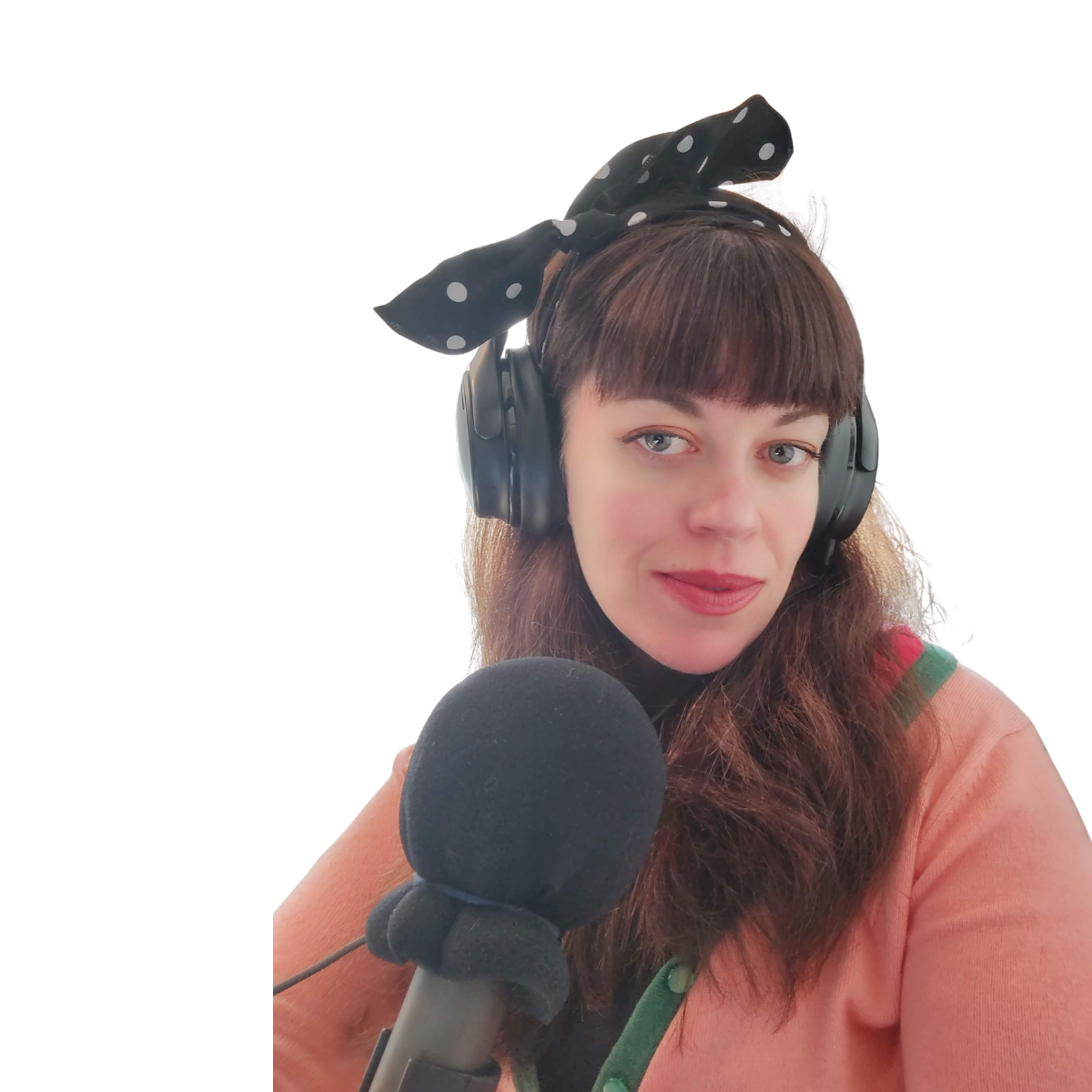
I’m an applied microbial scientist who works where complexity is real—living systems, messy data, and the human decisions built around them. My background spans microbiome analysis, bioinformatics, and data strategy across academia and environmental biotech, often operating between technical teams, leadership, and partners to keep results biologically honest and decision-ready. Alongside consulting, I’m a science communicator and speaker: I write, edit, and teach within scientific communities and to the general public. I deliver talks and workshops for PhDs and biotech teams focused on data culture, AI framing, scientific decision-making, burnout as a systems issue, and helping scientists clearly understand and own their role within collaborative teams—without fear, competition, or self-erasure.
If you want rigor and resonance—clarity with creativity, structure with soul—you’ll probably like how I work.
Credibility, briefly
Microbial bioinformatics & data science
I build reproducible workflows (ex. amplicon, WGS, metagenomics, comparative genomics, RNA-seq, TN-seq) from QC to interpretation.
- Production-grade pipelines for bacteria and fungi from QC to visualization (short/long/hybrid WGS included)
- Cloud execution (Nextflow/Docker/AWS Batch/S3/RDS) designed for real throughput
- Decision-ready reporting: figures, summaries, visual templates, stakeholder-facing outputs, dashboards, interactive reports
Proof point: At an early-stage environmental biotech startup, I implemented a cloud-native WGS platform that reduced turnaround by ~90% and scaled analysis throughput to ~100 fungal genomes in an afternoon.
Data strategy, governance & scientific systems
Good science breaks when metadata, systems, and incentives drift out of alignment. I help teams design data systems that remain biologically honest, interpretable, and durable as they scale.
- Building data strategies that align with business strategies
- Metadata standards and governance practices across wet lab, dry lab, and operations
- Hybrid strain library/biobank data model integrated with LIMS (isolates → barcodes → genomes → metadata → outputs)
- Cross-functional alignment and documentation that reduces downstream ambiguity
Best-fit partners: microbial R&D teams scaling fast, orgs preparing for AI/analytics, and groups needing clarity across technical + non-technical stakeholders.
Science communication: writing, audio & speaking
I help science travel intact — through writing, audio, and talks that preserve rigor while inviting curiosity, creativity,clarity, and connection across audiences.
- Microbe Moment (Microbigals): founded and stewarded an independent sci-comm platform
- Produced and hosted 100+ podcast episodes; published 100+ written pieces
- Hosted and produced a society journal podcast (research briefs → interviews → audience-ready science stories)
- Assistant Feature Editor work: public-facing research summaries + press-style translation
Style: Where scientific rigor meets creative systems thinking.”
Speaking & workshops
I speak to scientific teams, PhD audiences, and leadership groups about the practical human work of data, interpretation, and decision-making—especially as AI becomes louder than clarity. Talks range from internal trainings to university programs to broader public-facing events.
Current talk catalogue (custom versions available):
- Designing Data Strategy, Not Just Data Systems: How Data Decisions Determine Scale, Trust, and AI Readiness (best for internal trainings + leadership alignment)
- Models, Metadata, and Meaning: Making Sense of AI in Science (best for teams adopting AI / analytics workflows)
- Forming the Party: Designing Data Culture that Sustains the Campaign (best for companies, research organizations, and large university labs navigating scale, collaboration, and shared data ownership.)
- Being More Than a Metric: The Human Work That Remains When AI Keeps the Count (best for company culture initiatives, scientific teams, and professional development audiences grappling with AI, evaluation, and identity.)
- From Dissertation to Decision: Navigating Life After the PhD (also offered as “You Finished the PhD. Now What?” for academic and career-transition audiences (Best for graduate students, postdocs, and early-career researchers navigating identity, agency, and next steps.)
- Burnout Is a Systems Problem: Living and Working Inside Broken Systems (best for organization-wide programming, graduate student and postdoc communities, departmental or interdepartmental seminar series, and professional scientific communities.)
If you’re programming an event or workshop, I tailor talks across the full spectrum of scientific work — from data systems, metadata, and AI strategy, to collaborative data culture, scientific sovereignty, burnout as a systems issue, and career transition inside modern research organizations.
Writing & editorial work
My communication work is built on real scientific practice—peer-reviewed publishing, editorial experience, and long-form interviewing.
- 10+ peer-reviewed publications plus manuscript and grant development support
- Assistant Feature Editor work: research summaries and press-style translation
- Podcast production and interviewing: briefs, outlines, scripts, and guest research
- Independent platform stewardship: consistent output, community growth, and partner campaigns
When I write or speak, the goal isn’t simplification. It’s interpretability: making complexity actionable without misrepresenting it.
What Elizabeth Stands For
- Scientific integrity stays intact. If rigor or ethics are at risk, we pause instead of polishing the wrong answer.
- Microbes are collaborators. Language, visuals, and strategy keep ecological context in view.
- Clarity belongs to everyone. Research teams, executives, and community stakeholders all deserve the full picture.
- Care is operational. Collaboration is dialog-driven, humane, and transparent about trade-offs.
How Engagements Feel
- Discovery & Scoping – We map the scientific problem, existing data, and desired outcomes together. No black boxes.
- Collaboration – Expect shared documents, working sessions, and transparent decision logs. I often function as a fractional teammate.
- Delivery & Transition – Reports and case studies arrive with interpretation, next steps, and materials you can hand directly to stakeholders.
Roots & reach
I work remotely and collaborate comfortably across time zones. My work has ranged from multi-year plant–microbe research programs to scaling microbial R&D in environmental biotech to building science communication projects from the ground up—including editorial translation, podcast production, speaking engagements, and conference/event support.
If you need a partner who can hold the science, the systems, and the story in the same room, MicroMosaic is built for that.